
— Scenes that Capture My Every Emotion
 Brooks
- The market. Hundreds of women sit on the ground with stacks of tomatoes or greens or cassava or those that can afford it, have stands where their wares are neatly piled for easy viewing and hopeful purchasing. Most of them have carried their enormous bundles of capital on their heads for great distances, often with a baby strapped to their backs.
- Women. Mamas have left for the day searching for long sticks of firewood in the forest or walking the long distance to market to sell vegetables or buy beans. There was no food to cook for breakfast for her children or herself and no lunch will be eaten. Dinner will be cooked when she returns around 4, starting with laying a fire so hours later she and her children will have their first and only meal of the day.
- Children. Tiny, tiny little girls with a baby securely wrapped on their backs meander around the village spending their day idling looking for something to do. Their main job, even though they are so young themselves, five to 10, is making sure the siblings beneath them are taken care of. Their mothers have left for the day.
- Play. We were delighted to happen on a group of boys who had made various types of drums from tin cans, cloth, a hide, string, anything they could find. They were under a tree rhythmically tapping away singing and dancing. The talent was amazing…I couldn’t help but run over and dance with them…to their delight!
- Witchcraft. It’s everywhere. It’s culture. Superstition. A chief of the community (a territory of homes) explained how his father and his grandfather had kept a huge, very long, very big snake (a poisonous mamba snake). This snake must be fed and worshipped every day. It lived in the huge tree outside their home. That snake (and the ensuing babies) holds all the power to their health, finances, happiness and well being.
- Lake Tanganyika. Often I saw buck-naked children jumping from rocks, splashing in the cool water and fishermen casting enormous nets circling their prey with dozens of men and women standing on the shore cheering and shouting, just waiting to collect the fishes to sell at the market.
- Sexual Abuse. Prevalent. Incest. Prevalent. Rape. Prevalent. AIDS. Rampant.
- Physical Abuse. Husbands hit wives. Wives hit children. Children hit each other. Beating is normal.
- Community. Neighbors help neighbors. Money is exchanged often. If you have it, you share it. If you don’t, you receive it. There’s a level of obligation to help each other that is honoring and respectful, a “we need each otherness” that is inspiring to my self-sufficient, independent heart. One day you need me, the next I need you. We are there for each other. We are the same; we cannot exist alone.
- Joy. Have you seen an African dance? If there is rhythmic sound, there is movement. They cannot stand still. Something is moving. The head, the hand, the feet, the shoulders, something. And, sometimes all of him at once. My body does not move like that. I try, but it just doesn’t. They don’t try at all; it just happens. It’s in them, like blood. Music is part of life, an expression of joy…that means I’m happy! All of me is happy and I can’t express it any other way than to dance!
- Men. Men circle. They cluster in groups everywhere. They walk hand in hand. They touch each other’s shoulders. They hug and laugh and show genuine delight in meeting each other. They cannot talk without touching to emphasize and exclaim, “You know it!” or “Right on!” or more importantly, “I’m glad you get me and I get you and that we’re friends!”
The scenes are endless…East Africa is unique, unlike any other place on earth. It’s majestic, and expansive. Time seems to stand still for what’s important. Community is expressed in a thousand different ways, each one of them leaving me in awe.


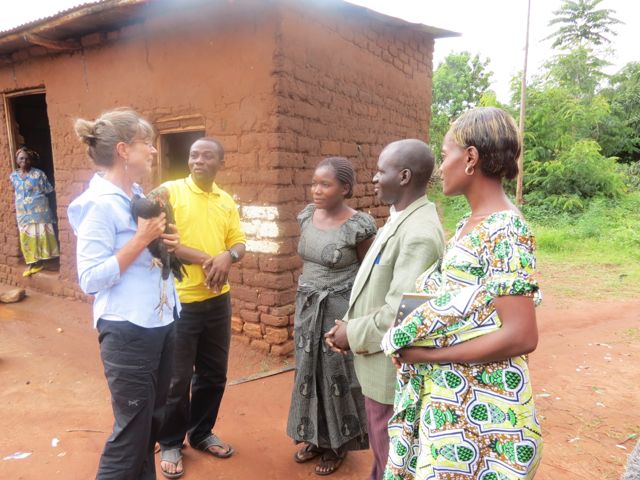
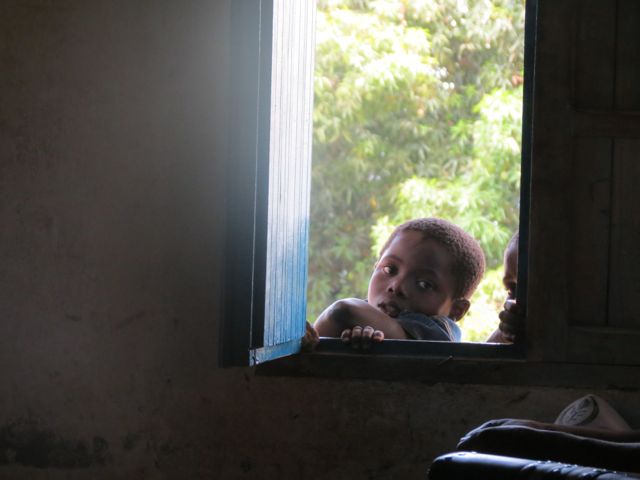
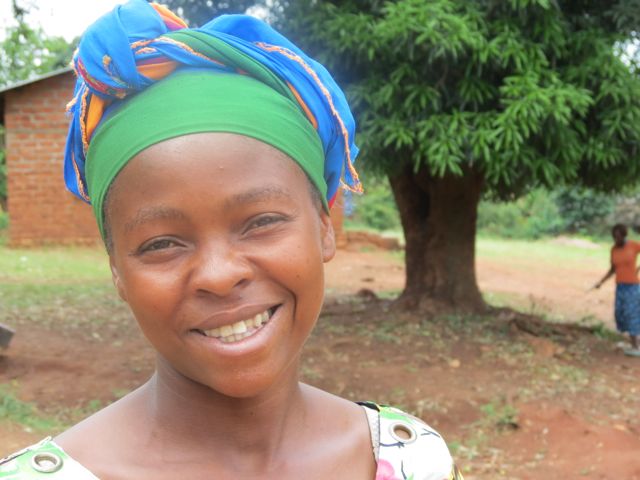
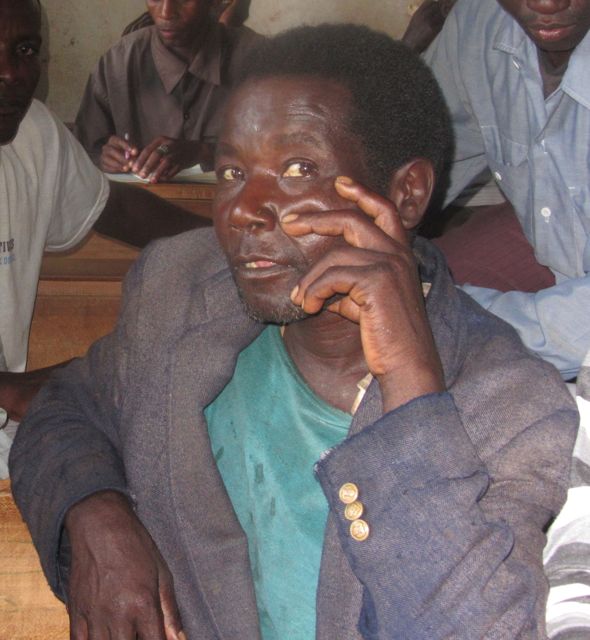
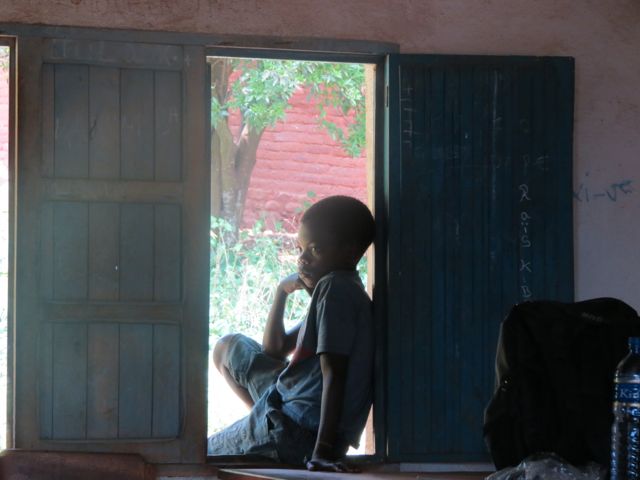

 And then there is the second thing. When I get my eyes off of myself and my poor bottom, I gaze out the window with a little more attention. I see women hauling firewood for miles, a daily chore. I see a six-year-old carrying her sibling, not much smaller than herself, on her back as they trek along behind their mother in the hot sun. I see other children playing, seemingly happy, but their hair is tinged with red because they have not had adequate nutrition. I see men working in fields trying to support their children who are wearing nothing but a torn shirt. I see hard working, persistent people living with hardship far greater than I could ever imagine. I am humbled, to say the least.
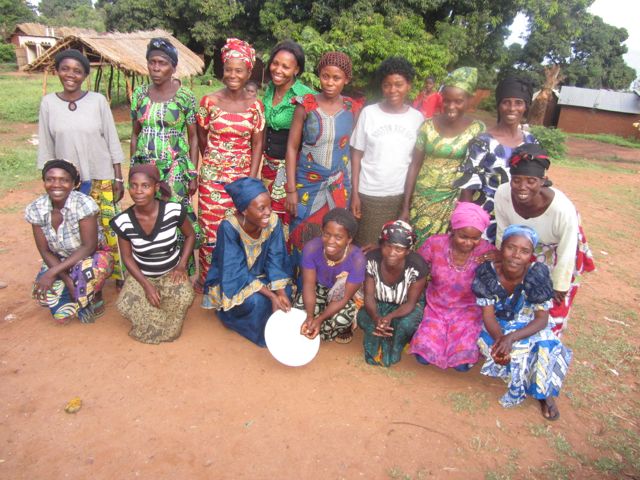
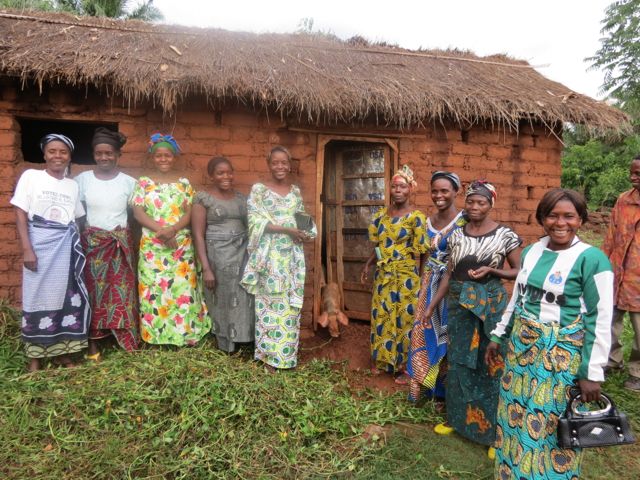
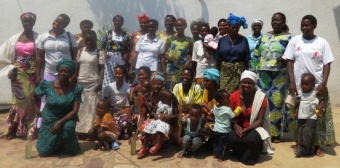 Today I was invited to “train” a group of “for sure not more than 20 women.” Well, I know from experience that this number doesn’t include babies strapped to mama’s backs or 3 or 4 year olds playing with a string or stick at their feet. I also know that where 20 women are gathered, there are going to be at least 30. So, sure enough, when I arrived at the rented meeting room, there were 35 women all smiles, waiting, and then, timidly stretching out their hands to greet me. It was going to be a great day. A day like days I have done many times before with African women. …well, maybe not! Lillian, the initiator of this gathering, and the commonality for most of the women there pulled me aside and in a thick French accent, albeit limited English, told me that the women had a “presentacion” for me. I couldn’t and didn’t exactly know what that meant, but got it right away that this was going to be ah, yet another exciting day IF I could let go of what I had planned and just “go with the flow!”
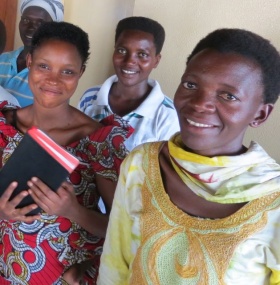 So round the room we went, one by one, each giving me their beautiful names and the place where they lived. I very mistakenly thought this was the presentacion, but no, as I began working through my material trying desperately to provide some sense of familiarity, safety, and comraderie even within such a large group, I could definitely sense something was amiss. Each woman listened politely, as my male Burundian student, translated. When I broke to ask the question of how they knew God was real and alive, that was just the opening they were looking for. Two hours later each one of them had stood, walked to the center of our circle and told their story. Each story a miracle; each story about a life that had been one of hopelessness and then what had happened to change that, and today what their life looks like. Paul would have been proud. Better testimonies were never given! I wish you could have been there. Some of them dressed in what we would call rags; some in brightly colored beautiful African dresses; each with a smile, a knowing peace, a joy they had never known before. They told of this lady or that coming to them and telling them about Someone who had answers for their lives, Someone who had hope and love for them. Not only did they tell about this Savior, but they showed them in a physical way a kind of love and caring they had not known.
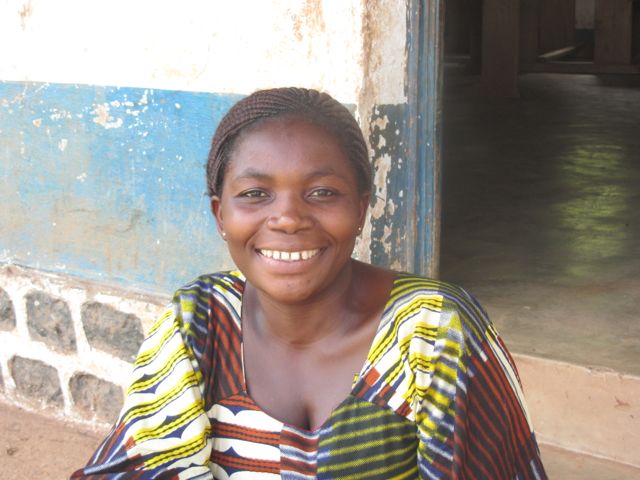
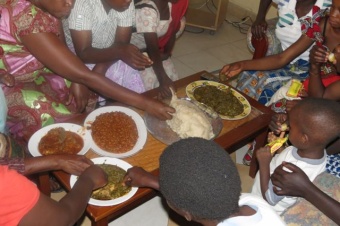 Here are just a few of their stories. Many were the same: lives of scraping by at best for a marginal existence for themselves and their children, sickness, prostitution, the death of at least one or more of their children, alcoholism, and/or rejection, abandonment by their husbands, if they had ever had one. Yet, each one told a story of redemption and grace and love. Meet just some of these ladies:
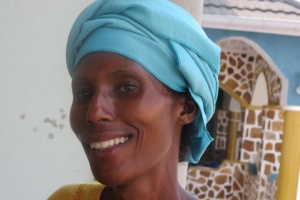 These people they have helped me and today I belong to a family of Believers. We meet every Saturday and sing and study the Word of God. They have helped me so much. I am now with hope and peace and confidence things.”
 At our second day of training in Bujumbura, Burundi, I was introduced to two young men who had been sitting attentively from day one. They appeared to be like any of the other twenty-something young guys that were there: full of life and enthusiasm for serving God.